Wedding flowers for Hatch End village venues
Posted on 26/09/2026
Wedding flowers for Hatch End village venues: a practical, elegant guide
Planning Wedding flowers for Hatch End village venues is one of those lovely parts of wedding prep that looks simple from the outside and then suddenly becomes very detailed once you start comparing bouquets, buttonholes, ceremony arrangements, and table flowers. You want everything to feel cohesive, work with the venue, and still look like you. Not a random flower shop display. Something personal, balanced, and calm.
In Hatch End, village venues tend to suit flowers that feel polished but not overdone: graceful bridal bouquets, thoughtful table styling, and arrangements that complement the room rather than overwhelm it. This guide walks through what to choose, how to plan it, what mistakes to avoid, and how to get the best value without losing that special, finished feel. If you are trying to make decisions quickly, or you are comparing options for different parts of the day, you are in the right place.
There is a lot to think about, truth be told. But once you break it down, it becomes much easier.
Why Wedding flowers for Hatch End village venues Matters
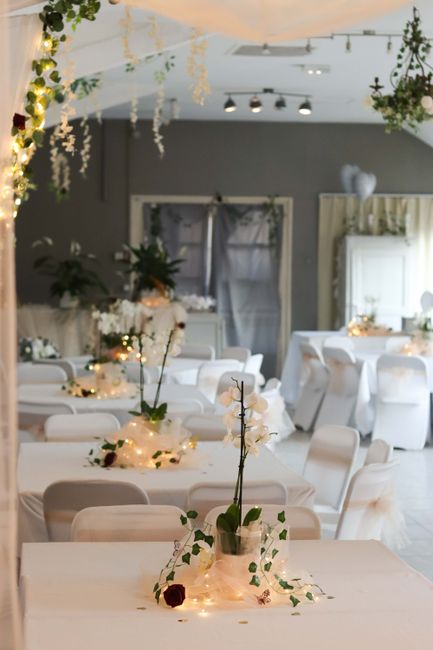
Flowers do more than decorate a wedding. They set the tone in the first few seconds guests walk in. In a village venue setting, that matters even more because the room itself often already has character. Maybe it has warm brick, soft lighting, timber details, or a slightly intimate layout that feels charming rather than grand. The right florals should work with that atmosphere, not fight it.
For Hatch End village venues, the main job of the flowers is to create flow. A bouquet connects the bride's look to the bridesmaids. Buttonholes link the wedding party together. Ceremony flowers frame the vows. Table arrangements pull the reception into one visual story. When all of that feels considered, the day feels calmer. Guests notice, even if they cannot quite say why.
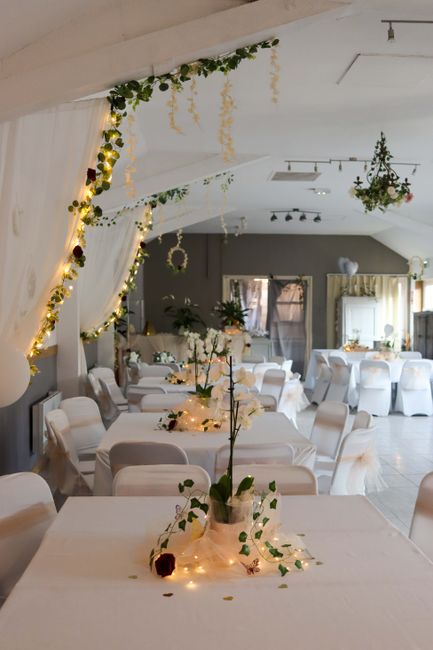
There is also a practical side. Village venues often have varied spaces: perhaps a small ceremony room, a separate drinks area, then a dining room with table spacing that needs careful planning. In those settings, floral design has to be precise. Too much height and people cannot see each other across the table. Too many strong scents and the room can feel busy. Too few flowers and the space may look unfinished. It is a fine line, and a good one.
Expert summary: The best floral plans for Hatch End village venues are usually those that feel tailored, space-aware, and quietly elegant. Pretty, yes. But also practical. The best ones make the room feel easier to be in.
How Wedding flowers for Hatch End village venues Works
The process usually starts with the venue layout, then the colour palette, then the core floral items you need. That order matters. A bouquet can be chosen quite early, but the final arrangement plan should always take account of where the flowers will actually sit.
Most couples begin by deciding on the essentials:
- bridal bouquet
- bridesmaid bouquets
- buttonholes or boutonnieres
- ceremony flowers
- table arrangements or centrepieces
- any extra pieces such as entrance flowers, cake flowers, or a top table arrangement
From there, the florist will usually refine the shapes, colours, and flower varieties. For example, a classic white and green scheme can feel very clean and timeless in a smaller venue, while soft blush, ivory, and muted lilac can add warmth without becoming too heavy. If you want a stronger visual statement, roses, orchids, lilies, or full mixed arrangements can give more presence. On the other hand, if the venue is already quite compact, looser garden-style florals may feel less crowded.
One thing people sometimes underestimate is timing. Flowers are perishable, and wedding florals are usually planned close enough to the date that the freshest seasonal stems can be used. That is not a problem, just something to expect. You may choose the overall style months in advance, but the final stem selection is often confirmed nearer the day. It keeps things fresh, literally and visually.
In practical terms, the florist is balancing three things at once: the venue, your budget, and the season. If any of those three gets ignored, the result can feel off. Not disastrous. Just off. And on a wedding day, little things are somehow very noticeable.
Key Benefits and Practical Advantages
Well-planned flowers do more than look nice in photographs. They solve a few real problems at once.
- They make the venue feel intentional. Even a simple room becomes more personal when the flowers echo the couple's style.
- They help create visual continuity. The bouquet, ceremony arrangements, and table flowers can all share a common thread.
- They soften mixed venue features. If a room has different finishes, lighting, or furniture styles, flowers can bring everything together.
- They support the photography. Florals add layers, colour, and texture that look lovely in close-up and wide shots.
- They suit different budgets. Thoughtful selection often matters more than sheer volume. A few well-placed arrangements can do a lot.
- They help with atmosphere. Flowers affect the whole room, especially when guests arrive and notice the scent, shape, and colour before anything else.
Another practical advantage is flexibility. If your village venue has a compact ceremony area, flowers can be scaled down neatly. If the reception room has long tables, low arrangements can keep conversation flowing. If there is a doorway, mantle, or signing table that needs attention, a single arrangement can elevate it quickly.
There is a reason experienced couples often invest a bit of thought here. Flowers are one of the few wedding elements that are both decorative and atmospheric. They do the pretty job and the practical job. Handy, really.
Who This Is For and When It Makes Sense
This guide is especially useful if you are:
- planning a wedding at a village-style venue in Hatch End
- trying to choose floral styles that suit a smaller or more intimate setting
- comparing bridal bouquets, bridesmaid flowers, and venue flowers as one design
- working with a fixed budget and want to prioritise the most visible pieces
- looking for a florist who understands local venue scale and layout
- trying to avoid overbuying flowers you will barely use
It also makes sense if you are early in the planning stage and still figuring out your look. You do not need every answer straight away. Sometimes the right move is simply to define the mood first: classic, modern, romantic, rustic, elegant, or full-on luxury.
If you are planning a smaller wedding, floral choices become even more important because each arrangement has more visual weight. If you are planning a larger celebration in a village venue, flowers help avoid the room feeling fragmented. Either way, the principle is the same: make the flowers serve the day, not just decorate it.
And if you are the type who loves a clear plan, this topic suits you because floral decisions are best made in stages. It stops the process feeling like guesswork. Mostly.
Step-by-Step Guidance
1. Start with the venue and guest flow
Before you fall in love with a bouquet image, think about the venue itself. Where will guests enter? Where will you stand for the ceremony? Are the tables round or long? Is there space for tall pieces, or do you need low arrangements that keep sightlines open?
A small real-world example: if a dining room has close table spacing, tall centrepieces can make conversation awkward. In that case, lower, wider arrangements may be much better. They still look elegant, but they do not block faces or feel cramped.
2. Choose a visual direction
Pick a mood before you pick every flower. For Hatch End village venues, popular directions often include:
- white and green for a clean, timeless look
- blush, ivory, and soft pink for a romantic feel
- mixed pastels for a lighter, springlike style
- deep red, burgundy, or purple for a richer, more dramatic finish
- natural garden-style blooms for a softer, less formal atmosphere
The clearer your direction, the easier the rest becomes. Otherwise it can turn into a long debate about peonies versus roses versus "something a bit fuller," which is not exactly a technical specification.
3. Match the bouquet to the venue scale
The bridal bouquet should feel in proportion with the dress, the body frame, and the venue. A grand, cascading bouquet can look stunning, but in a smaller room it may feel too dominant. A tighter hand-tied bouquet can be perfect if you want the dress and the bouquet to complement each other without competing.
Bridesmaid bouquets should support the bridal bouquet, not mimic it exactly. Slightly smaller versions usually work best, and they keep the overall look balanced in photos.
4. Decide where flowers will do the most work
If your budget is finite, spend first on the items people will see most:
- the bridal bouquet
- the ceremony focal point
- the guest tables
- buttonholes and smaller accessories
That order is not fixed for everyone, but it is a sensible starting point. At the end of the day, you want the flowers that shape the guest experience and the photographs.
5. Confirm delivery, setup, and removal details
One detail that gets forgotten surprisingly often: who is placing the flowers and when are they being cleared away? Some venues allow set-up at a specific time only. Others have restrictions around access or responsibility for removing items after the event. Clarify it early. Really early, if possible.
Also check whether your florist will deliver directly to the venue, to your home, or both. If there are separate prep locations for the wedding party, the logistics need a bit of thought.
6. Finalise the plan in writing
By the time the wedding is near, the final arrangement list should be clear. That list should include quantities, colour palette, flower types where known, delivery timing, and any special notes for the ceremony or reception layout.
A simple written plan avoids last-minute misunderstandings. And honestly, wedding weeks already have enough moving parts without a floral guessing game.
Expert Tips for Better Results
Here are the things that make a real difference in practice.
- Choose a few anchor flowers, not too many. A design with one or two main flowers plus supporting blooms often looks more elegant than a crowded mix.
- Use your venue's light to your advantage. Soft natural light flatters delicate colours, while a warmer room may suit cream, peach, and deeper tones.
- Keep scent in mind. Strongly scented flowers can be beautiful, but in a small room they may feel intense. Balance matters.
- Ask for seasonal flexibility. If you are open to alternatives, you may get a fresher result and sometimes better value too.
- Think about photos from every angle. A bouquet that looks lovely from the front may need more attention to shape on the sides and back.
- Use repetition carefully. Repeating a flower or colour in the bouquet, buttonholes, and table flowers creates cohesion without making everything identical.
One quiet tip that saves stress: keep a sample image or mood board, but do not cling to it too rigidly. Seasonal flowers vary. A good florist will interpret your style rather than copy a picture like-for-like. That is usually a better result anyway.
And if you are tempted to add "just one more thing" to every surface, pause for a moment. Sometimes less is the move. A room can breathe. That is a nice thing.
Common Mistakes to Avoid
Wedding flower planning usually goes smoother when you sidestep these common traps.
- Ignoring the venue size. Large florals in small rooms can overwhelm the space and the budget.
- Choosing blooms for a photo only. Flowers have to work in person too, not just on a screen.
- Leaving table flowers until last. Reception arrangements are easy to underplan, but they shape the atmosphere heavily.
- Forgetting seasonal availability. Some flowers are easier to source at certain times of year, and that affects style and cost.
- Overcomplicating the colour palette. Too many competing shades can make the overall look feel scattered.
- Not checking venue rules. Some places have limitations on candles, water, attaching items, or moving furniture.
- Skipping a final count. A missing buttonhole or an extra table arrangement can create avoidable stress.
Another common issue is assuming that "luxury" means "more flowers." Not always. Luxury can also mean better shape, more refined materials, or a cleaner colour story. The arrangement feels considered. That is often what people respond to most.
If you want the short version: do not buy flowers in isolation. Buy a look. Buy a plan. Much better.
Tools, Resources and Recommendations
You do not need specialist software to plan wedding flowers well, but a few simple tools help a lot.
- A mood board: collect examples of bouquet shapes, colour combinations, and venue arrangements.
- A venue floor plan or rough sketch: even a hand-drawn one helps with table sizing and flower placement.
- A guest list estimate: this supports decisions on how many buttonholes, table flowers, and focal arrangements you need.
- A shortlist of preferred flowers: useful for balancing personal taste with seasonal availability.
- A budget range: not just a final number, but a comfortable range so you can prioritise properly.
If you are shopping for wedding-specific designs, it can help to look at dedicated collections such as wedding flower collections, a tailored bridal bouquet selection, or matching wedding table arrangements. For smaller finishing touches, the range of buttonholes and corsages can help tie the whole bridal party together.
For a broader wedding set, a coordinated option like a wedding collection can be handy when you want a consistent theme without planning every item separately. And if you are considering something a little more romantic or refined, a romance-led collection or white floral styling may suit Hatch End village venues beautifully.
For practical finishing support, it is worth keeping pages like delivery information, flower care advice, and about the florist in mind when you are deciding how the order should be handled. That sort of detail may sound boring now, but on the day it matters.
Law, Compliance, Standards, or Best Practice
For wedding flowers, the main compliance issues are usually practical rather than highly regulated. The most important thing is to work within the venue's rules and the florist's service terms. In the UK, reputable venues often have their own guidance on access times, placement of displays, use of open flames, and post-event clearance. Always check those details early rather than assuming anything.
It is also best practice to confirm:
- whether the florist delivers and sets up on site
- who is responsible for moving arrangements between ceremony and reception spaces
- how water-filled containers or vases will be handled
- whether any items need to be returned after the event
- what happens if specific stems are unavailable
On the supplier side, clear terms help everyone. Look for straightforward information on payment, cancellations, substitutions, and refunds. Those policies are there to protect both sides, and they reduce awkward misunderstandings. No one enjoys those.
If sustainability matters to you, it is reasonable to ask how flowers are sourced and whether packaging can be reduced. Some couples also like to keep arrangements reusable, donate them after the event, or choose designs that have a second life at home. Not every venue can support that, but it is a sensible question to ask.
One more practical point: if children, elderly guests, or guests with allergies are attending, avoid arranging flowers in ways that create trip hazards or very strong scent in enclosed rooms. Small adjustment, big difference.
Options, Methods, or Comparison Table
When planning wedding flowers for a Hatch End village venue, most couples end up choosing one of three broad approaches. Each can work well. It just depends on the feel of the day, the space, and the budget.
| Approach | Best for | Strengths | Watch-outs |
|---|---|---|---|
| Classic coordinated styling | Couples who want timeless elegance and a polished look | Easy to match across bouquet, buttonholes, and tables; very photo-friendly | Can feel predictable if the colour palette is too safe or flat |
| Soft garden-style florals | Intimate village venues and romantic, relaxed weddings | Natural texture, gentle movement, lovely in smaller spaces | Needs careful control so it does not look messy or too loose |
| Luxury statement florals | Couples who want a standout ceremony or reception feature | High visual impact, strong focal points, memorable styling | Can dominate compact rooms and usually needs tighter budgeting |
There is no single correct answer. In many Hatch End village venues, the sweet spot is somewhere between classic and soft garden styling: elegant enough to feel special, relaxed enough to suit the setting. That combination tends to age well in photographs too, which is no small thing.
Case Study or Real-World Example
Picture a couple planning a spring wedding in a village venue with a modest ceremony room and a separate dining area. They wanted the day to feel romantic, but not overly formal. Their first instinct was to use large, dramatic arrangements everywhere, because the floral inspiration images looked beautiful online. Fair enough. They were lovely.
After discussing the room sizes and table layout, they changed course. Instead of putting their budget into oversized displays, they chose a more balanced mix: a fuller bridal bouquet, neat bridesmaid bouquets, a small cluster of ceremony flowers, buttonholes for the wedding party, and low table arrangements in soft blush, ivory, and green. They also kept the scent light so guests could enjoy the meal comfortably.
The result was calmer and more cohesive than the first idea. The ceremony space felt intentional without being crowded. The tables looked finished but not overworked. And the photos had that nice, softly layered look where nothing feels forced. You know the kind. It looks effortless, even though it very much was not.
The lesson here is straightforward: the best floral plan is not always the biggest one. It is the one that understands the room. That is the bit people sometimes miss when they are caught up in beautiful pictures.
Practical Checklist
Use this checklist to keep the floral planning under control.
- Confirm the venue layout and any restrictions
- Decide your overall floral style or mood
- Choose the main colour palette
- List all required items: bouquet, bridesmaid bouquets, buttonholes, ceremony flowers, table arrangements
- Check what flowers are likely to be in season around your date
- Set a realistic budget range
- Decide which items matter most visually
- Ask how delivery and setup will work
- Clarify whether the florist will remove arrangements afterwards
- Review final substitutions if a flower is unavailable
- Make sure the order reflects the venue size and table spacing
- Keep a written summary of your final choices
If that list feels a bit much, take it one step at a time. That is usually the way it goes anyway. Wedding planning is rarely one tidy spreadsheet. More like three lists and a hopeful cup of tea.
Conclusion
Wedding flowers for Hatch End village venues work best when they feel connected to the space, the season, and the couple's style. The aim is not simply to fill a room with blooms. It is to create a gentle, memorable atmosphere that supports the whole day. When the bouquet, buttonholes, ceremony flowers, and tables all speak the same visual language, the wedding feels more settled and more complete.
If you are still deciding, start with the venue, then the feeling you want to create, then the pieces that matter most. That order keeps things practical and stops you from overspending on details that will not have much impact. A good florist can help turn broad ideas into something specific and beautiful, and the best results usually come from clear communication and a bit of flexibility.
Get a free quote today and see how much you can save.
Take your time, trust the process, and let the flowers do what they do best: quietly make the whole day feel more like home.
Frequently Asked Questions
What flowers work best for Hatch End village venues?
Timeless choices like roses, lilies, orchids, lisianthus, and soft mixed seasonal blooms often work very well. The best option depends on room size, light, and the mood you want. Smaller venues usually suit elegant, balanced arrangements rather than oversized displays.
How far in advance should I book wedding flowers?
It is sensible to book as early as you can, especially if your date falls in a busy wedding season. Early booking helps secure your preferred florist and gives more time to plan colours, quantities, and venue placement properly.
Do I need different flowers for the ceremony and reception?
Not necessarily, but many couples do. The ceremony may need a focal arrangement or bouquet emphasis, while the reception often benefits from lower table flowers or simpler repeated arrangements. Reusing some pieces between spaces can also be a smart way to manage budget.
Can I keep the flowers simple and still make the venue look elegant?
Absolutely. In fact, simple florals can look very refined when they are chosen carefully. A clean palette, good proportions, and a few well-placed arrangements can be more effective than lots of competing flowers.
What is the best way to match flowers to my wedding theme?
Start with the overall feeling rather than the exact flower first. Decide whether you want romantic, modern, classic, rustic, or luxury styling, then choose blooms and colours that support that mood. That usually gives a more coherent result.
Should I choose seasonal flowers?
Seasonal flowers are often a good idea because they are usually easier to source and can look fresher. They may also offer better value. If you have your heart set on specific blooms, ask how they fit with the time of year and whether suitable alternatives exist.
How many buttonholes do I need for a wedding?
That depends on your wedding party. Typical buttonholes are often arranged for the groom, groomsmen, fathers, and sometimes close family members. It helps to write out the names and roles so nothing gets missed.
Are table flowers really necessary?
They are not essential, but they make a big difference to the reception atmosphere. Even simple low arrangements can make the room feel complete and better tied together. If the budget is tight, it is usually better to have fewer well-placed table flowers than many small, unfocused ones.
What should I ask the florist before placing an order?
Ask about flower availability, delivery timing, setup, venue access, substitutions, and what is included in each arrangement. It is also wise to ask how closely the final design will match the sample images if seasonal flowers change.
Can wedding flowers be moved from the ceremony to the reception?
Often yes, but it needs to be planned carefully. Some arrangements can be repurposed, while others are better left in place. Check with both the florist and the venue so the transfer is smooth and does not interrupt the day.
How do I avoid overspending on wedding flowers?
Prioritise the most visible items first, keep the colour palette focused, and use a few coordinated designs rather than many different ones. Being open to seasonal alternatives can also help. The trick is to spend where the impact will actually be seen.
What if I want a luxury look on a smaller budget?
Focus on shape, quality, and repetition. A limited number of well-designed arrangements can still look luxurious if they are cohesive and well placed. A strong bridal bouquet and a couple of statement areas often create more impact than spreading the budget too thinly.